

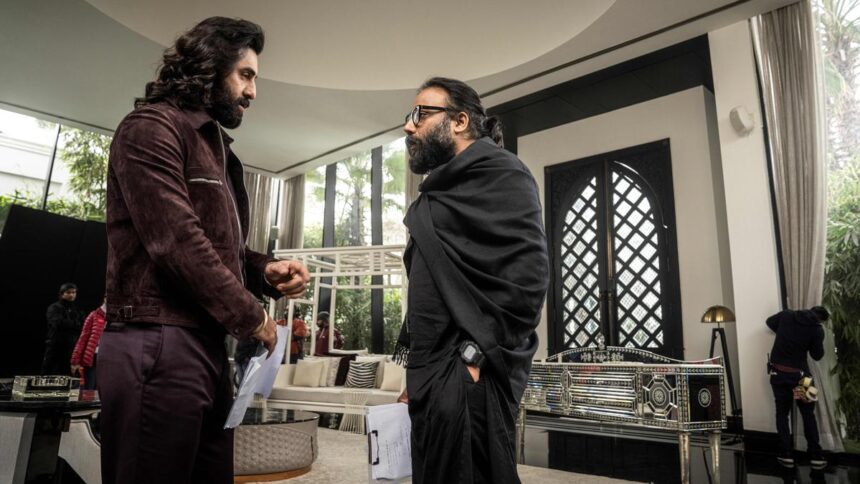
Hey there, fellow cinema lovers! Today, I’ve got something quite intriguing to discuss with you, and it’s all about the latest sensation in Indian cinema: “Animal.” Directed by Sandeep Reddy Vanga and featuring Ranbir Kapoor in the lead, this movie is making waves not only at the box office but also in the realm of societal discussions. It’s one of those films that goes beyond mere entertainment and prompts us to ponder deeply about art and its reflection on our society. So, let’s dig in, grab your favourite movie snack, and explore the nine reasons behind the controversies that have been swirling around “Animal.”
Challenging the ‘Alpha Male’ Stereotype
Let’s start with a scene that had us all talking. Ranbir Kapoor’s character takes centre stage as he dives into a discussion about the concept of an ‘alpha male’ with Rashmika Mandanna’s character. This dialogue defies conventional gender norms and opens up a whole new avenue of discussion among cinephiles like us.
The Epic Battle of Titans
“Animal” isn’t your run-of-the-mill good vs. evil story. It’s a tale of power, ambition, and dominance. The movie pits two alpha male characters against each other, while women seem relegated to the sidelines, tasked mainly with perpetuating the legacies of their male counterparts. This complex portrayal serves as a mirror to the patriarchal structures that continue to shape our society.
Surpassing Expectations with Violence
From the very first trailer, it was evident that “Animal” would be an action-packed thrill ride. However, what we witnessed on the big screen was a level of violence and gore that exceeded our expectations. This leads us to ponder the significance of such brutality and bloodshed within the storyline. Does it reflect the growing appetite for aggression in our society?
Misogyny as a Director’s Signature
Sandeep Reddy Vanga, the creative genius behind “Arjun Reddy” and “Kabir Singh,” has a penchant for delving into themes of misogyny and toxic masculinity in his work. With “Animal,” he continues down this path, with Ranbir Kapoor’s character placed squarely at the centre of these troubling attitudes.
Toxic Masculinity Laid Bare
Ranbir Kapoor’s character doesn’t hold back when it comes to displaying toxic masculinity. He objectifies his wife, Geetanjali, portrayed by Rashmika Mandanna, and she appears to take a back seat in their relationship. This portrayal serves as a stark commentary on some of the harmful societal norms that persist.
The Ethics of Infidelity
There’s a pivotal moment in the film where Ranbir’s character engages in extramarital affairs, supposedly to uncover a sinister plot. This raises questions about the ethics of his actions and whether there could have been better alternatives to achieve his goals. Does the end justify the means, or are there limits to what can be excused?
Relationships Under Control
One particularly intense scene in “Animal” involves Ranbir’s character issuing a directive to his wife, essentially telling her not to remarry if he doesn’t return from his perilous mission. This moment shines a spotlight on the dynamics of control and power within relationships. Does love come with conditions, or is it an unconditional bond?
Gender Stereotyping in Focus
The movie challenges traditional gender roles when Ranbir’s character advises his sister to switch from wine to whiskey. This scene sparks discussions about the deeply ingrained gender stereotypes that continue to pervade our society. Does what we drink define our masculinity or femininity?
The Art of Lengthy Storytelling
Lastly, let’s talk about the movie’s epic runtime – a whopping 3 hours and 22 minutes! Such a lengthy duration is quite an endeavour for both filmmakers and viewers alike. This begs the question of how the duration impacts storytelling and audience engagement, especially when the narrative is laden with intense violence and drama.

Conclusion
Now, my fellow cinephiles, here’s the deal: This article isn’t about advocating for the boycott of “Animal.” Instead, it’s an invitation to dive deeper into the layers of the film and engage in meaningful discussions about how it reflects the complex facets of our society. I’d love to hear your thoughts on “Animal” in the comments below. If you haven’t watched the movie yet, are you planning to? After all, it’s movies like these that make us question, reflect, and appreciate the art of cinema even more. So, let’s continue this conversation and explore the depths of “Animal” together.


